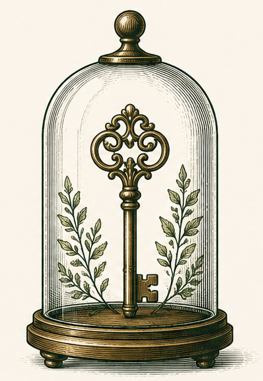
Curio Trails · Trail 01
The Analogue Life: seven objects that make room for attention
Seven objects. Seven distinct compromises. One question about how much attention an everyday task deserves.
Choosing an analogue object is not a rejection of technology. It is a choice about where attention should go. Sometimes the best tool is a digital one: it saves time, makes work accessible or solves a problem a mechanical object cannot. At other times, the useful feature is precisely that an object does one thing without a login, charging routine or stream of notifications.
This first Curio Trail follows seven already-published Discoveries that ask different versions of the same question: what does it feel like when the interface is simply the object itself? There is no suggestion that all seven belong in one home. Think of them as seven examples of design restraint, each with a different practical trade-off.
Start with a routine, not a shopping list
Begin by identifying one moment that feels needlessly complicated: taking a quick note, making coffee, reading at night or checking the time without picking up a phone. Then choose the object that addresses that moment. Buying all seven would defeat the purpose of the trail.
Some objects here are consumable or need refills; others require manual upkeep. Those are not hidden disadvantages. They are part of deciding whether a physical ritual is pleasant or merely additional work. Each stop explains both the attraction and the limit.
What analogue objects give back
A physical interface can make the beginning and end of a task easier to recognise. A notebook has a page to turn. A fountain pen needs uncapping. A desk lamp changes position when you move its arm. Those gestures do not automatically improve concentration, but they can create useful boundaries between activities. The object is not trying to do several unrelated things at once.
That clarity can also reduce dependency. A pencil works without an account; a simple clock does not need a software update. Yet the benefits should not be exaggerated. Paper notes are harder to search. Manual coffee requires attention. Mechanical adjustment takes space. A digital alternative may be the better tool for someone with limited dexterity, a demanding schedule or a need to share information quickly.
The cost of simplicity is still a cost
Consider consumables, maintenance and physical space. A refillable pen needs ink. A pour-over dripper needs filters and a place to dry. An adjustable lamp may require more desk clearance than a compact LED bar. A dedicated alarm clock adds another object to the bedside. The question is not whether these costs exist but whether the value you get in return is worth them.
There is also a difference between choosing an object and performing an identity. You do not need a beautifully coordinated analogue desk to write by hand, and you do not need an expensive brewing setup to enjoy coffee. Begin with what you already own. If the routine feels good, the desire for a new purchase may disappear.
A useful way to read this Trail
At each stop, ask what action the object makes more satisfying, what it makes less convenient, and whether you would use it on an ordinary weekday. Then consider the alternative you already have. If the current tool works perfectly well, that is a valid conclusion. If it repeatedly distracts or frustrates you, the object in the Trail may offer a clearer way of doing the same job.
We have included both modest and premium products, because price is not the organising principle. Their shared quality is that the relationship between hand, tool and task is unusually visible. Their differences are just as important: some save attention by narrowing the job, while others ask you to spend more attention on a ritual you enjoy.
Seven stops, seven different kinds of attention
The sequence moves from making a drink to writing, lighting and waking. Read any one Discovery on its own, or follow the whole route to see how the same design principle plays out across different departments.
Stop 01 · Discovery 004
A ritual with visible variables
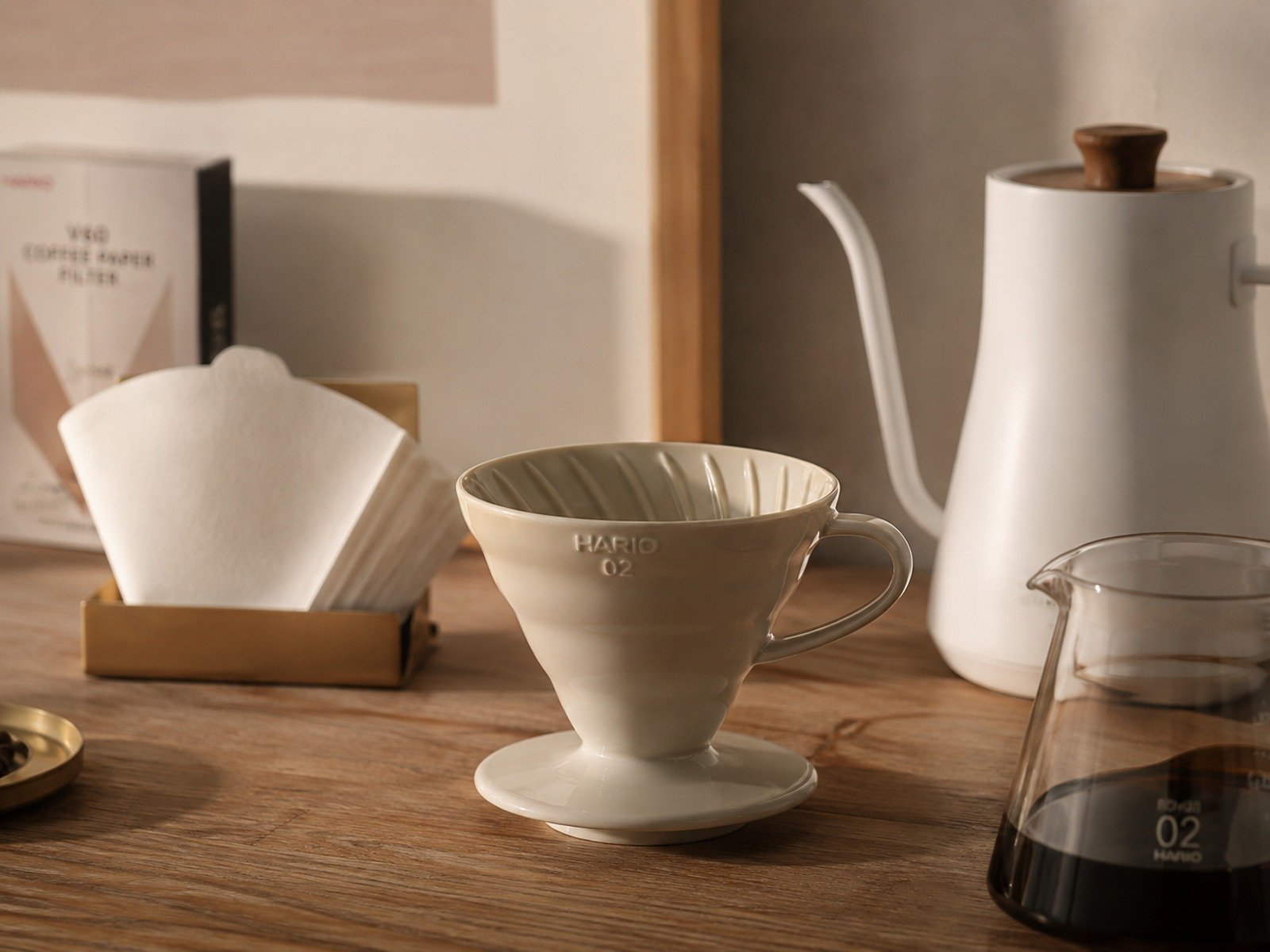
Hario V60 Ceramic Dripper
The Hario V60 Ceramic Dripper makes the choices visible: grind, water, timing and pour. That can be satisfying when brewing is part of the morning, and unnecessary work when it is not.
Read the full assessment →
Stop 02 · Discovery 026
A brewer that asks for patience
Chemex Classic 6-Cup Coffee Maker
The Chemex Classic 6-Cup turns coffee into a measured, shared process. Its glass form is elegant, but fragile glass and paper filters are real ownership considerations.
Read the full assessment →
Stop 03 · Discovery 003
A pencil that remains a pencil
Blackwing 602 Pencil
The Blackwing 602 offers a tactile writing experience with a replaceable eraser. The premium only makes sense if the feel and regular use matter to you.
Read the full assessment →
Stop 04 · Discovery 011
A pen designed to be carried
Kaweco Sport Fountain Pen
The Kaweco Sport uses a compact capped form that becomes usable when posted. It trades disposable convenience for a refillable writing habit.
Read the full assessment →
Stop 05 · Discovery 013
Paper without a platform
Midori MD Notebook A5
The Midori MD Notebook A5 is a quiet place for ideas, with no setup beyond opening the cover. The trade-off is that searching and syncing are your responsibility.
Read the full assessment →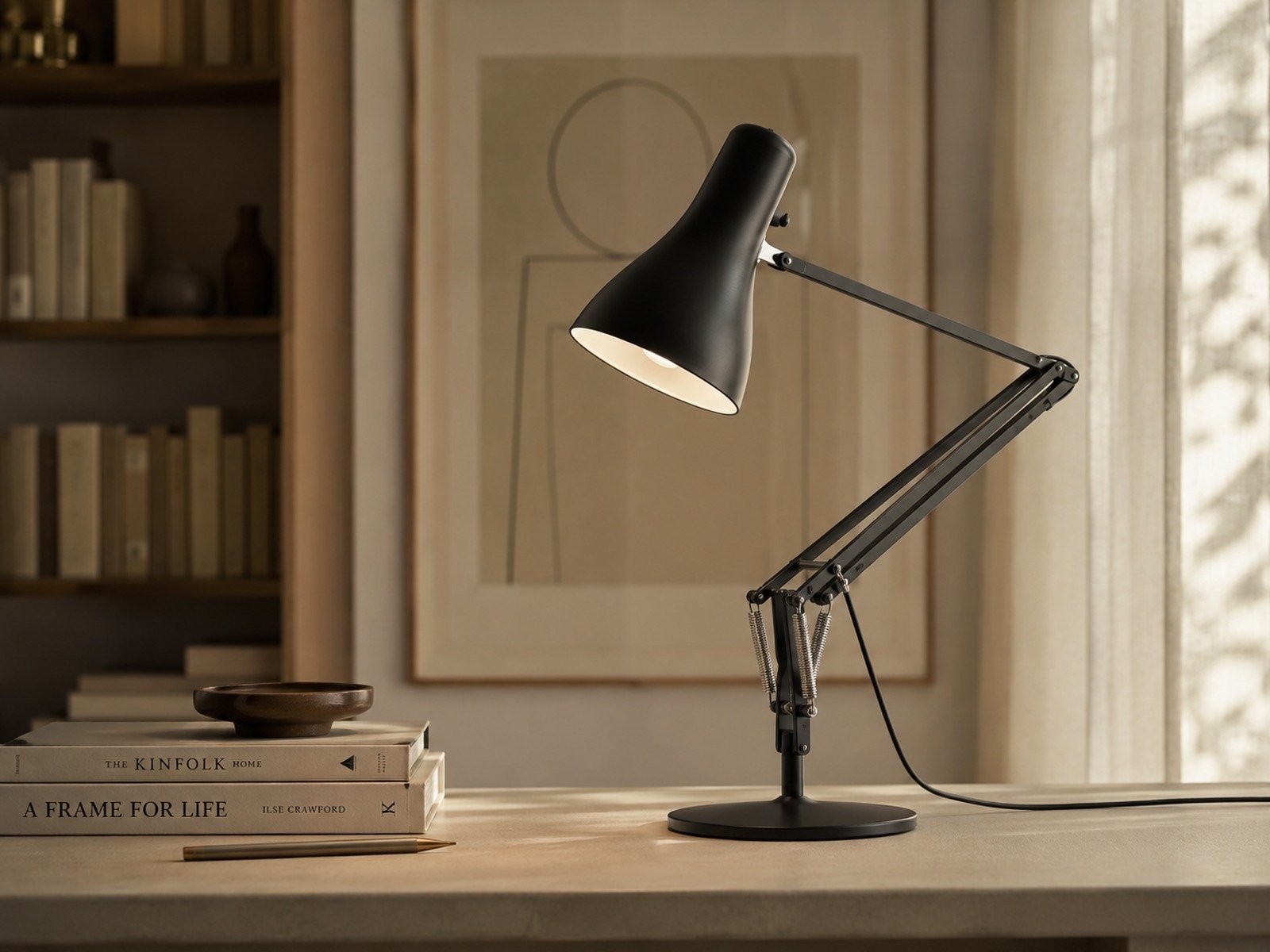
Stop 06 · Discovery 009
Light that can be directed
Anglepoise Type 75 Desk Lamp
The Anglepoise Type 75 turns adjustment into a physical movement. Its design makes sense where focused light is needed; it is less convincing as decoration alone.
Read the full assessment →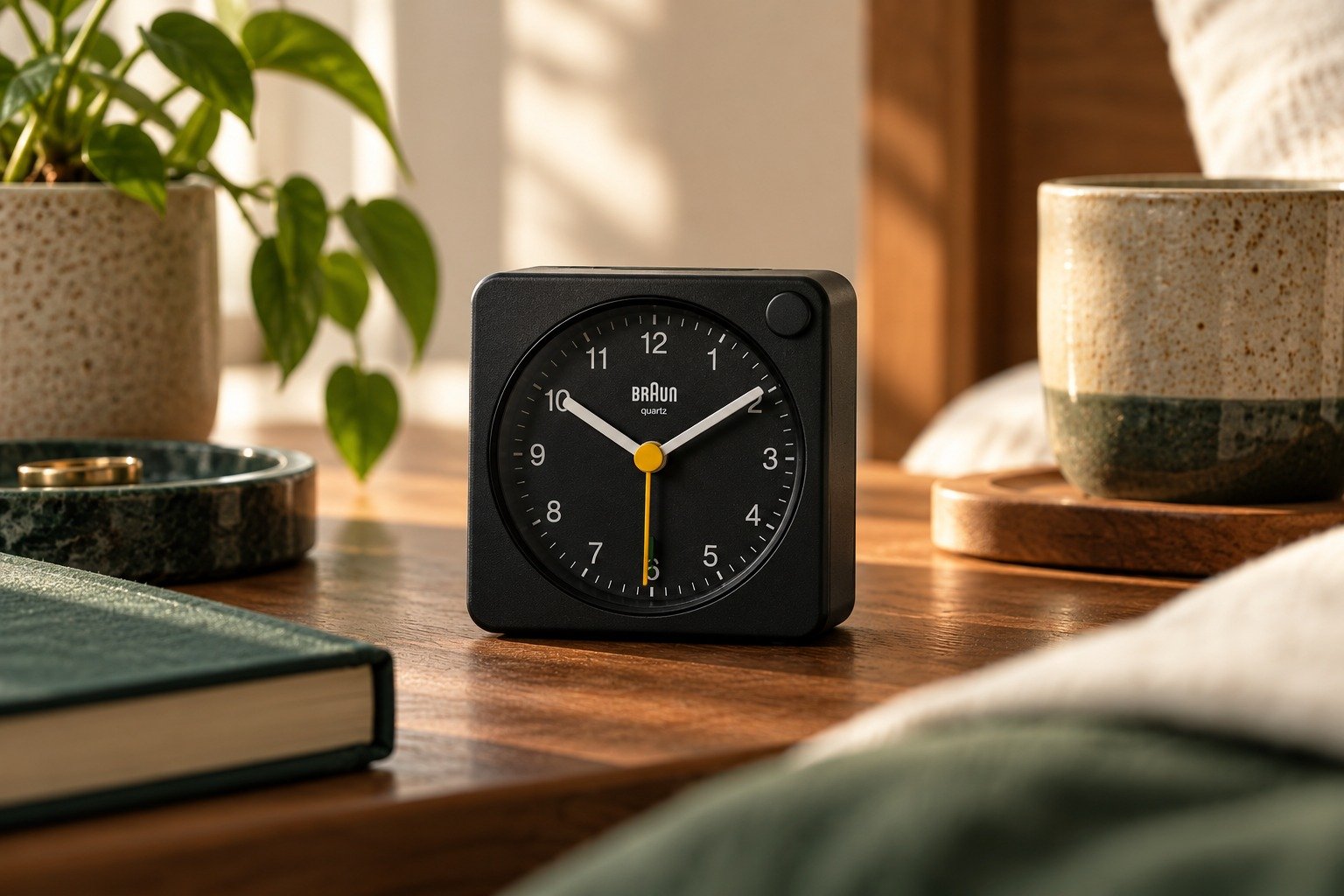
Stop 07 · Discovery 101
A clock instead of a notification
Braun BC02X Classic Analogue Travel Alarm Clock
The Braun BC02X tells the time and sounds an alarm without involving a phone. Its limited feature set is the attraction only if one alarm is enough.
Read the full assessment →Which one solves a problem you actually have?
If none does, the Trail has still done its job. The most considered purchase is sometimes the one you decide not to make.
Explore Curio Trails →