Discovery No. 102
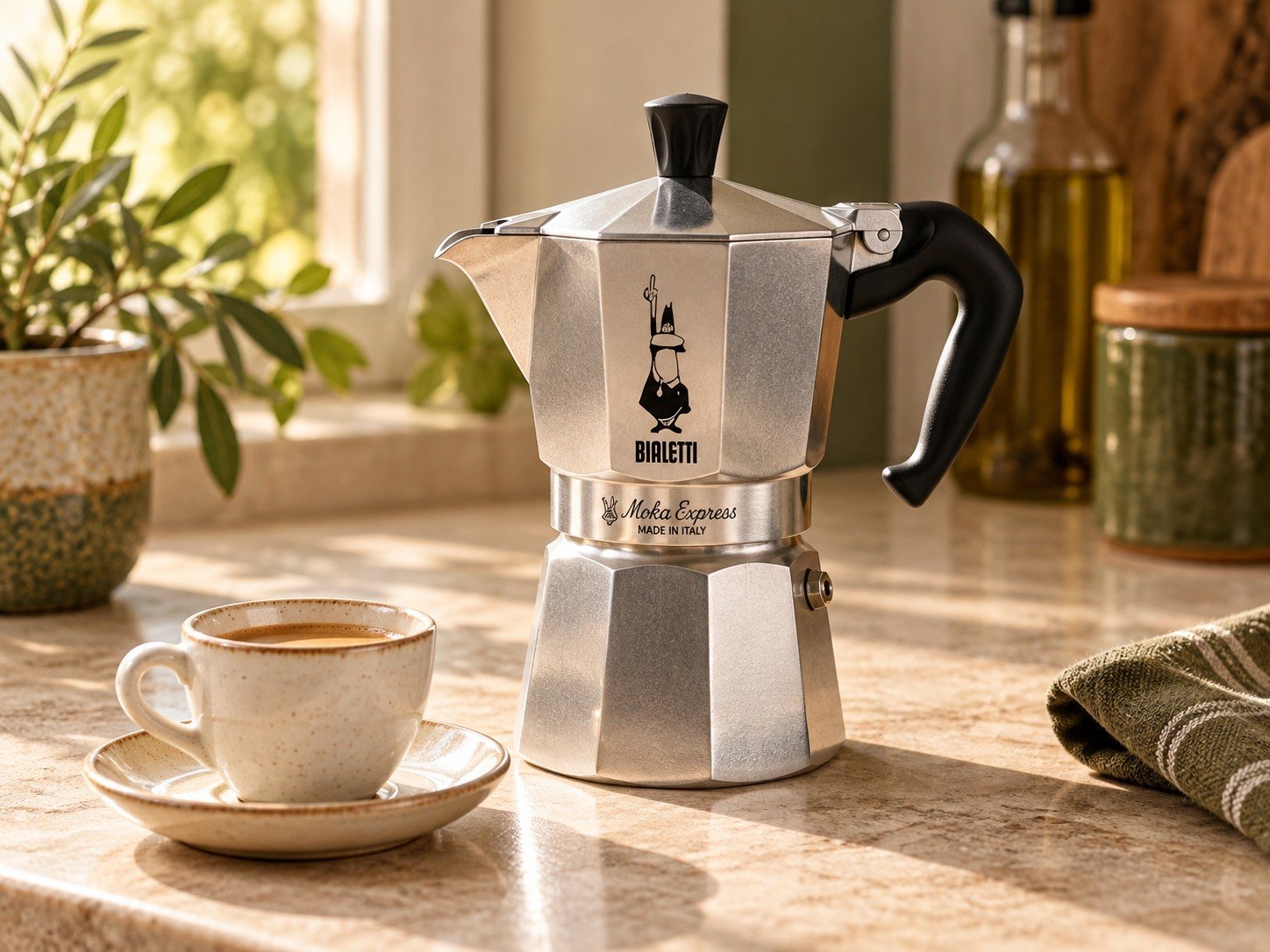
Bialetti Moka Express 3-Cup Stovetop Coffee Maker
A design classic that makes concentrated stovetop coffee with replaceable wear parts—and some very real daily trade-offs.
This page assesses published product information, design characteristics and practical fit. We do not claim long-term hands-on testing unless a review explicitly says so. See how we choose and score products →
Why this small pot still matters
The Bialetti Moka Express is one of those domestic objects whose outline is instantly recognisable: an eight-sided aluminium body, black handle, angular lid and a practical spout. The basic idea dates to 1933. It is not an espresso machine in the modern pump-driven sense, and calling it one obscures what makes it good. It produces a concentrated stovetop coffee with its own texture, routine and flavour profile.
For this Discovery we are looking at the classic silver 3-cup Moka Express, not the stainless-steel Venus, Moka Induction or a coloured special edition. Those are different products with different compatibility and care considerations.
The geometry is functional, not decoration
The octagonal aluminium form is the product’s visual signature, but the important design decision is the separation of the water chamber, coffee funnel and upper collecting chamber. The brewer uses heat and pressure to move water through ground coffee. There is no electric motor, app or disposable pod system to manage.
That does not mean the result is effortless. Coffee grind, water level, heat and when you remove the pot from the hob all affect the cup. A moka pot rewards attention; it does not automate it. Someone who likes a brief daily ritual may find that enjoyable. Someone trying to make coffee while rushing out of the house may find the same steps burdensome.
Three cups does not mean three mugs
The 3-cup designation refers to small Italian-style servings, not three large British mugs. Retailers sometimes quote different volumes depending on whether they mean brewed output or boiler capacity, so we have deliberately not used one universal millilitre figure as a promise. If you normally fill a large mug, consider whether a larger pot or another brewing method would suit you better.
One useful characteristic of the classic pot is its relatively modest footprint. It can be stored without reserving a permanent area of worktop, though you still need a suitable hob and somewhere to dry it after cleaning.
What maintenance really looks like
The Moka Express’s main strength is that its routine wear parts are identifiable. Replacement gaskets and filter plates are available for specific cup sizes; buy parts that match the actual pot, not merely a listing that says “Bialetti compatible.” A standard care routine means letting the pot cool, cleaning it according to the manufacturer’s current instructions and drying it properly before storage.
The classic aluminium Moka Express is not dishwasher safe. Its safety valve is not a component to modify or bypass. If it appears damaged, blocked or unreliable, stop using the brewer and follow Bialetti’s guidance rather than experimenting with pressure equipment.
The induction question
The traditional aluminium model is not directly compatible with a normal induction hob. Bialetti and UK retailers describe using an appropriate Bialetti induction adapter plate when required. That is an additional item to store and heat, so it changes the simplicity calculation. If induction is your only heat source, compare the total setup with an induction-compatible model before buying.
Where it wins — and where it doesn’t
There is pleasure in a physical process with few hidden dependencies. You can see the parts, understand the job and replace an ordinary gasket rather than replacing the whole machine. The shape has survived changing kitchen fashions because it still communicates what it does.
But the Moka Express does not offer the temperature control of a sophisticated brewer, the convenience of a pod machine or the pressure profile of a pump espresso machine. It needs a hob, careful handling and hand washing. The iconic appearance is a bonus, not a reason to ignore those trade-offs.
Who should shortlist it?
It suits someone who enjoys strong stovetop coffee, appreciates a manual process and has a compatible cooking setup. The 3-cup version is particularly worth considering for a household that drinks small servings and does not want another electrical appliance on the counter.
Skip it if you need café-style pump espresso, large mugs in one brew, dishwasher convenience or straightforward induction use without an adapter. A product can be a design classic and still be wrong for a particular kitchen.
Curio verdict
We have scored this model for its clear physical design, replaceable wear parts and continuing everyday relevance, while allowing for its genuine maintenance and hob-compatibility limitations. Its appeal is not that it makes the “best” coffee in every context. It is that the owner can understand the process, the parts and the compromises before making a purchase.
Source check (11 October 2026): The classic aluminium Moka Express specifications and care considerations were cross-checked against Bialetti’s product information and UK retailer descriptions. Confirm the exact 3-cup variant and current instructions before purchase.
Transparent scoring
The Curio Score
The score is an editorial comparison framework, not a laboratory test result. Read the category scores alongside the review and your own priorities.
Our editorial judgement
Why it made the cut
Three product-specific reasons, alongside a reason to choose something else.
The eight-sided aluminium form has remained recognisable for decades.
A compact, manual method for making concentrated coffee without an electric machine.
Replaceable gaskets and filters help the value case, though induction and hand-washing limit convenience.
You want large mugs, push-button brewing, dishwasher cleaning or direct induction compatibility.
From the Journal · Further reading
Repair, refill, replace: how to choose objects that last
Six practical questions for judging maintenance, spare parts and repairability before an everyday object enters your home.
Published product details
At a glance
| Manufacturer | Bialetti |
|---|---|
| Heritage / background | Italian design introduced in 1933; classic Moka Express range |
| Construction / format | Eight-sided aluminium body; thermoplastic handle and knob |
| Key features | 3 small Italian-style servings; stovetop brewing; replaceable gasket/filter; safety valve; hand wash; induction adapter needed on induction hobs |
| Price note | No single UK price claimed: verify the exact 3-cup silver model and current retailer price. |
If it fits your shortlist
Check the current version and price.
Availability, colourways and model revisions change. Confirm the exact version before purchasing.
Search Amazon for this model →This opens an Amazon.co.uk search using the model name rather than pretending an unverified listing is an exact match.
As an Amazon Associate I earn from qualifying purchases.
Using an affiliate link does not increase your purchase price.
Reader recommendations
Suggest an item for Curio to review.
Know an object, maker or product that deserves a closer look? Send it to the editorial desk and it may become a future Discovery.
Submissions go directly to hello@thehiddencurio.co.uk
Continue exploring
Related discoveries
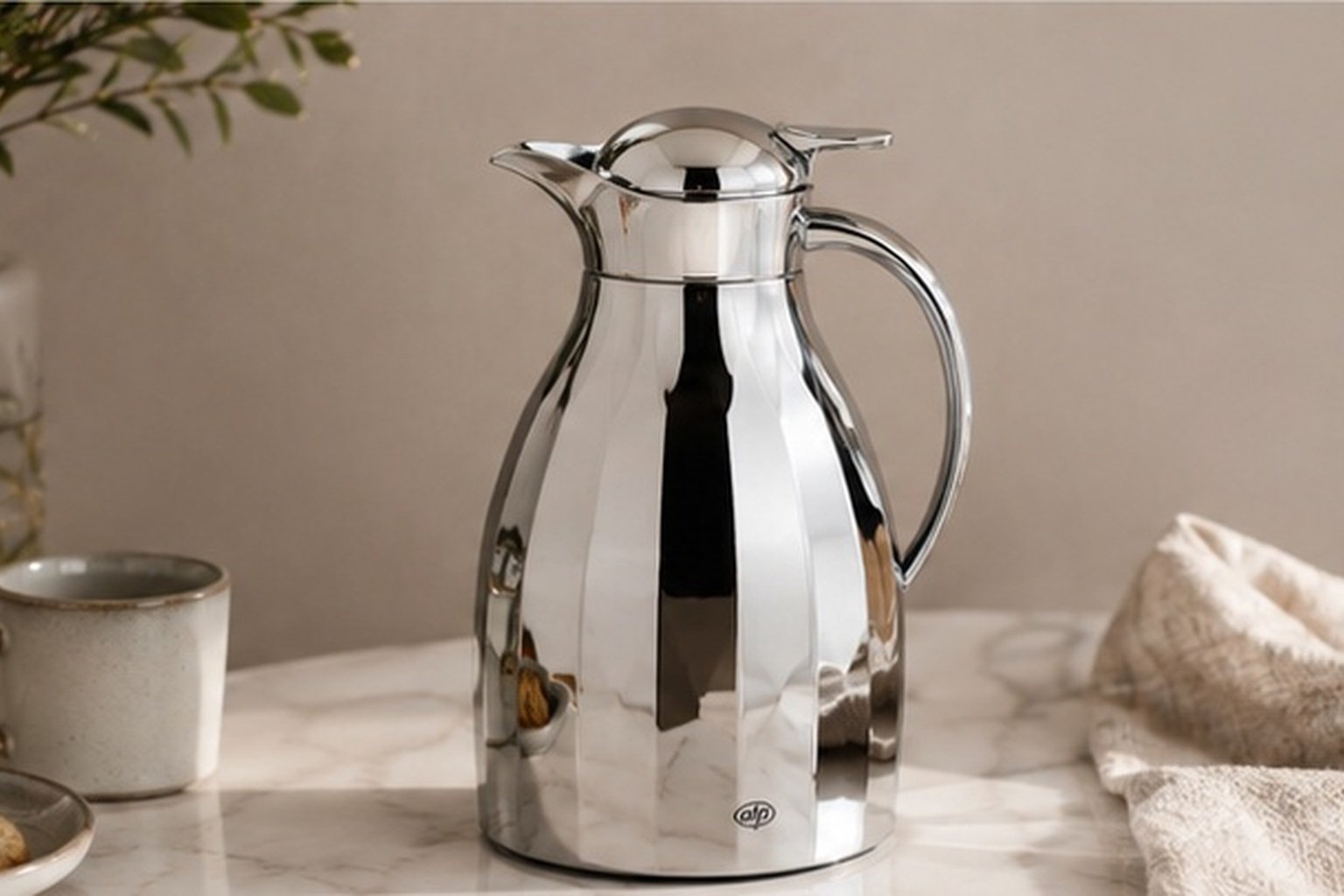
Alfi Juwel Vacuum Carafe
A sculptural thermal carafe that makes keeping drinks warm feel like part of the table setting.
View discovery →
Stelton Emma Vacuum Jug
An insulated jug that brings quiet Scandinavian character to the breakfast table.
View discovery →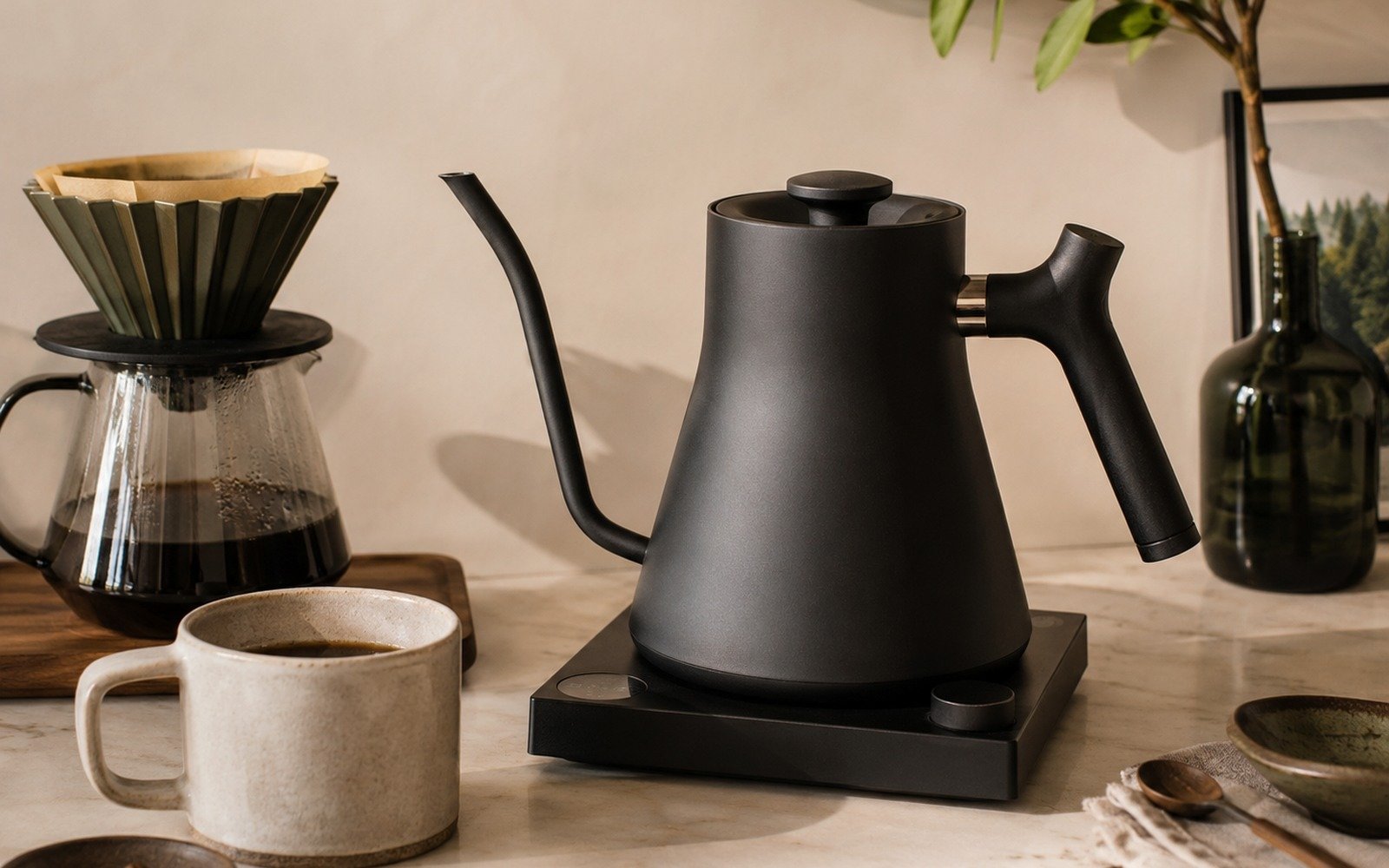
Fellow Stagg EKG Pro Electric Kettle
A precision kettle that makes water feel like part of the brewing craft.
View discovery →