The Hidden Curio Journal
Repair, refill, replace: how to choose objects that last
Six practical questions for judging maintenance, spare parts and repairability before an everyday object enters your home.
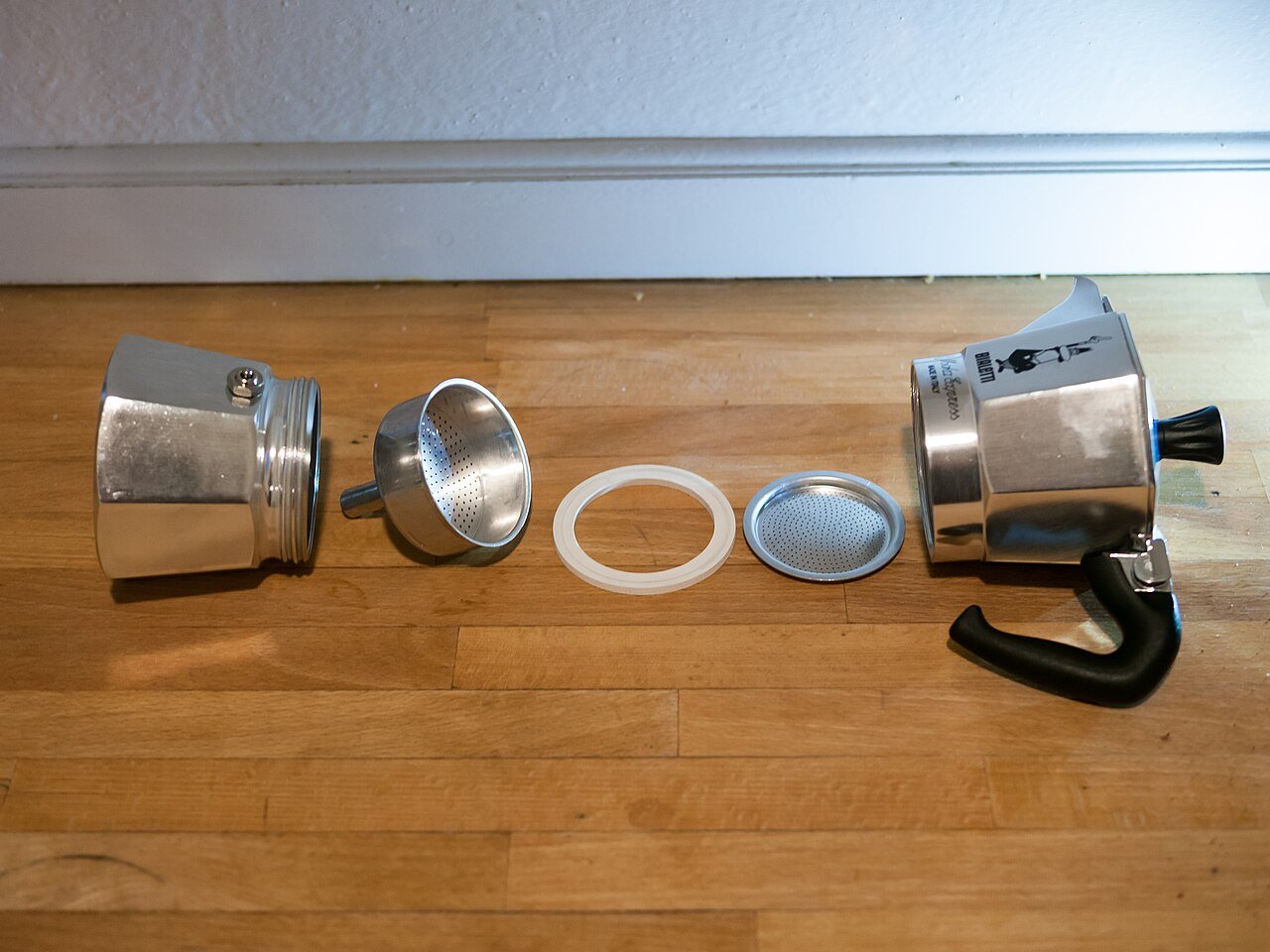
When a product fails, the tempting question is whether it was worth the price. The more useful question is what, exactly, has failed. A £5 seal may have reached the end of its life while the rest of the object is perfectly serviceable. A cable may be damaged while the electronics are fine. Sometimes a fault is genuinely terminal; sometimes it is simply the first time the object has asked for maintenance.
We talk about buying things that last as though longevity were a property you could read from a product page. In practice, it is a relationship between design, available parts, the way something is used and the owner’s willingness to care for it. A solid-looking object with no obtainable spare parts may have a shorter useful life than a modest one designed to be opened and maintained.
This guide offers a practical way to judge that relationship before buying, and a calm decision process when something already owned stops working. It is not a call to attempt unsafe repairs: electrical faults, gas equipment, pressure vessels and safety-critical parts deserve qualified help.
First, separate wear from failure
Wear is expected. Coffee-maker gaskets harden, pencil erasers disappear, pen cartridges empty, shoe soles abrade and filters clog. These are not necessarily evidence of poor design. They become a design problem when the maker has treated an ordinary wear part as if it should last forever, or made replacement unnecessarily difficult.
Failure is different. A cracked load-bearing component, an unsafe electrical connection or a damaged pressure-control part changes the decision. Do not keep using something simply because it looks repairable. Stop, consult the manufacturer’s guidance and seek a competent professional where appropriate.
Before deciding to replace an object, identify the failed part as precisely as possible. “The coffee maker is broken” tells you little. “The seal is no longer making a reliable fit” points towards a specific, verifiable next step.
The six-question longevity check
1. What will wear first?
Every product has a likely weak point. For a fountain pen it might be the ink supply or nib; for a vacuum cleaner, filters and brushes; for a coffee maker, seals and screens; for a lamp, the light source, switch or cable. Look for these parts before being persuaded by claims about the main material. A metal body is reassuring, but it cannot compensate for an unavailable plastic hinge.
2. Can I identify and obtain that part?
Search the maker’s support pages for the exact model, not just the product family. Check whether the replacement is described clearly, whether dimensions or compatibility are stated and whether it is available from a UK supplier. A part listed for “most models” is less useful than one with an unambiguous model number. Availability today is not a guarantee forever, but it is better evidence than a vague promise of durability.
3. Does replacement require special equipment or risk?
Some maintenance is designed for ordinary owners: changing a standard battery, fitting a manufacturer’s replacement gasket, replacing a cartridge or cleaning a removable filter. Other jobs involve stored energy, mains voltage, gas, high pressure or a structural safety function. The right repairability judgement includes whether a task is safe and realistic, not merely whether someone on the internet has managed to do it.
4. Is the maintenance routine proportionate?
A tool that takes two minutes to rinse after every use may suit a person who enjoys the ritual. The same tool may be an irritation for someone who needs a fast weekday routine. Maintenance is not automatically a negative; unpredictable or disproportionate maintenance is. Think about drying time, consumables, access to parts and where the object will live between uses.
5. Can the object keep working without a service?
For connected products, check what happens when an app, subscription or cloud service changes. Can the basic function still operate? Is a standard cable or replaceable battery used? An object with a timeless appearance may depend on an infrastructure with a much shorter lifespan. Conversely, a simple manual product may avoid that dependency entirely, while sacrificing convenience or advanced features.
6. Would repair restore the function I actually need?
Repair is not always the best answer. If an object is unsuitable for the routine, restoring it does not make it a better fit. If it is unsafe, a repair of uncertain quality is not a bargain. If a replacement would dramatically reduce running costs or improve accessibility, that can matter. Longevity is about continued usefulness, not keeping every possession at any cost.
A coffee maker as a small case study
The classic aluminium moka pot is instructive because its working parts are easy to understand. The water chamber, funnel, filter, gasket and upper collector form a simple physical system. The familiar Bialetti Moka Express has replacement gaskets and filters sold for specific cup sizes. That does not make it indestructible, and it does not make pressure-related faults a DIY experiment. It does show the difference between a product with a replaceable consumable and one that requires replacing the entire appliance when a seal wears.
The trade-offs are equally real. The classic aluminium Moka Express is not dishwasher safe. It requires a little attention to brewing and cleaning, and a standard induction hob needs an appropriate Bialetti induction adapter. A different coffee maker may be better for someone who prioritises one-button convenience. The strongest reason to choose the moka pot is not nostalgia; it is that its process, upkeep and output suit the owner.
What to do when an object stops working
Start with the least invasive checks. Is the power source working? Is there a blocked filter or an exhausted consumable? Has a part simply become loose? Read the current manual, check the maker’s troubleshooting guidance and identify the exact model before ordering anything. Keep a note of serial numbers, purchase dates and part codes.
Then estimate the total repair cost: part, delivery, tools and professional labour where required. Compare it with the realistic cost of an appropriate replacement, not an artificially high list price. Consider the environmental cost of disposal, but do not use that consideration to justify an unsafe repair.
If the repair is straightforward and manufacturer-supported, it may be the easiest decision. If the cost is close to replacement, look at whether the repaired object would provide another several years of useful service. If the problem is recurring, investigate whether the design is fundamentally wrong for your use.
Build a small maintenance habit, not a repair hobby
Most people do not want another elaborate system. A single note containing model numbers, consumable sizes and the date a filter or gasket was changed can be enough. Store a spare only for items that are inexpensive, reliably compatible and likely to be needed. Hoarding parts for hypothetical future failures merely transfers clutter from one shelf to another.
A quarterly ten-minute check of frequently used objects is often more useful than a dramatic annual clear-out. Empty and clean removable filters; inspect cables without attempting electrical repairs; check moving parts for wear; look for manufacturer’s care guidance. The aim is to notice small problems while they are still small.
Buy with an exit plan
Before purchasing a premium everyday object, ask one final question: if the most predictable component fails in two years, what happens next? A convincing answer might be “I can order a standard refill,” “the maker sells a compatible gasket,” or “a local specialist can service it.” An unconvincing answer is “I suppose I would buy the whole thing again.”
There is no universal formula for the object worth keeping. A beautifully designed but demanding tool can be right for an enthusiast and wrong for a busy household. The most sustainable purchase is not always the oldest-fashioned or most expensive one. It is the one that continues to meet a real need, and whose likely maintenance you can live with.
Editorial note: This is general buying and care guidance, not a repair manual. Follow the current instructions for your exact product. Never bypass a safety valve or improvise repairs to pressure, electrical or gas components.
The objects behind the ideas
Relevant Discoveries
Real examples to explore alongside the principles in this guide—not a shopping checklist.
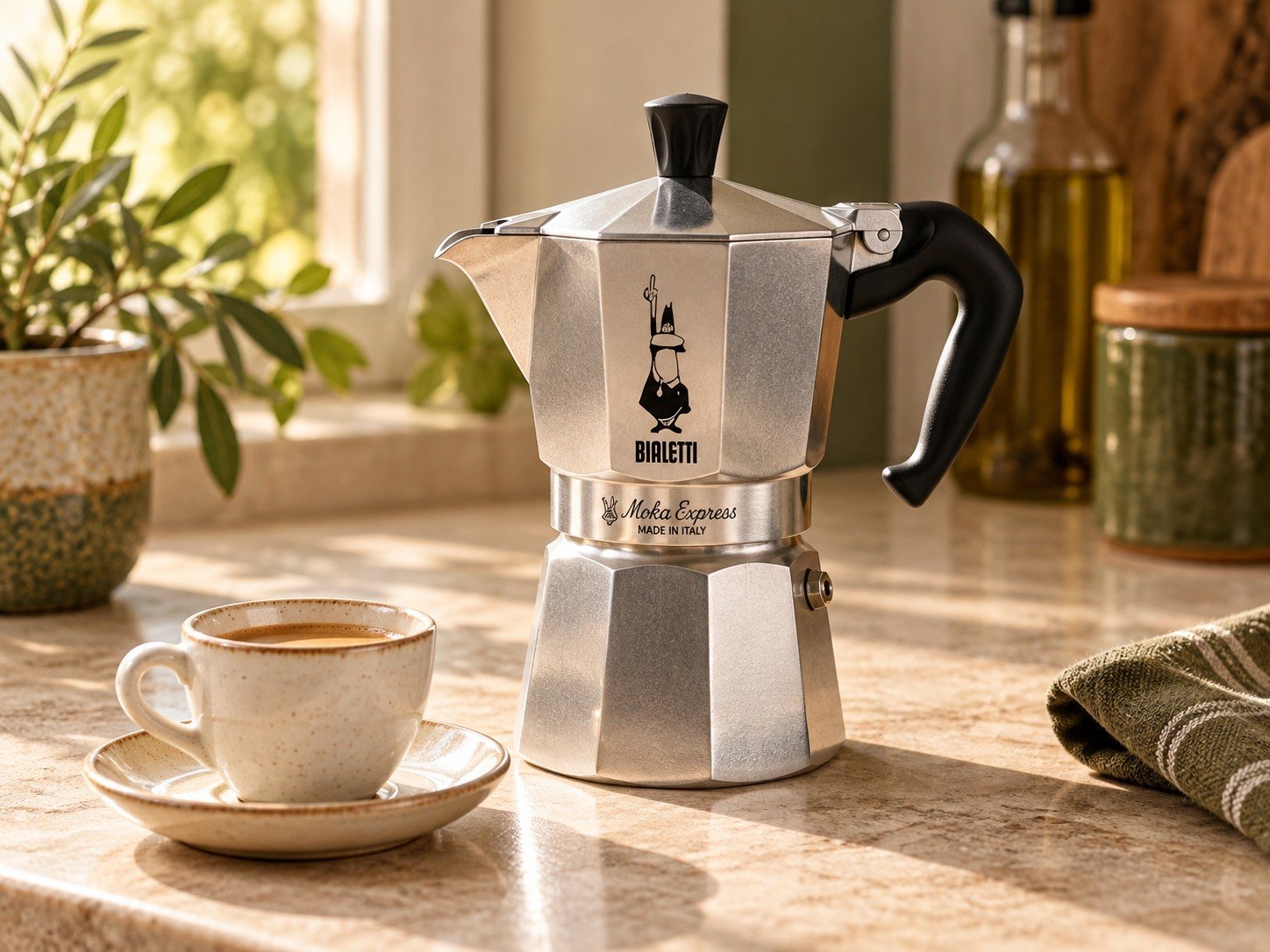
Bialetti Moka Express 3-Cup Stovetop Coffee Maker
A design classic that makes concentrated stovetop coffee with replaceable wear parts—and some very real daily trade-offs.
Read assessment →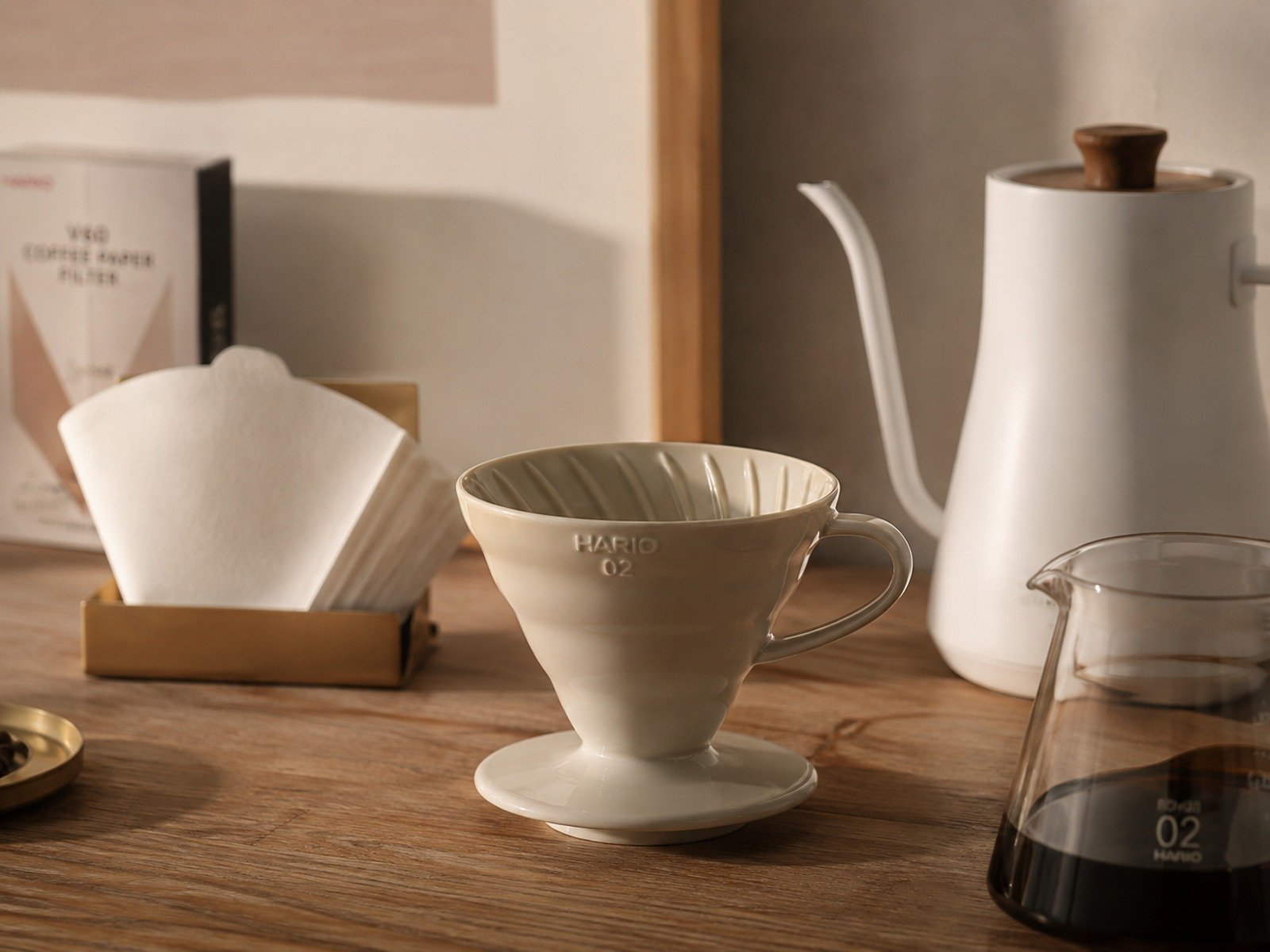
Hario V60 Ceramic Dripper
A simple brewing tool that rewards attention and ritual.
Read assessment →
Chemex Classic 6-Cup Coffee Maker
A coffee maker whose laboratory simplicity became a design classic.
Read assessment →Continue reading